A Cross-Functional Model
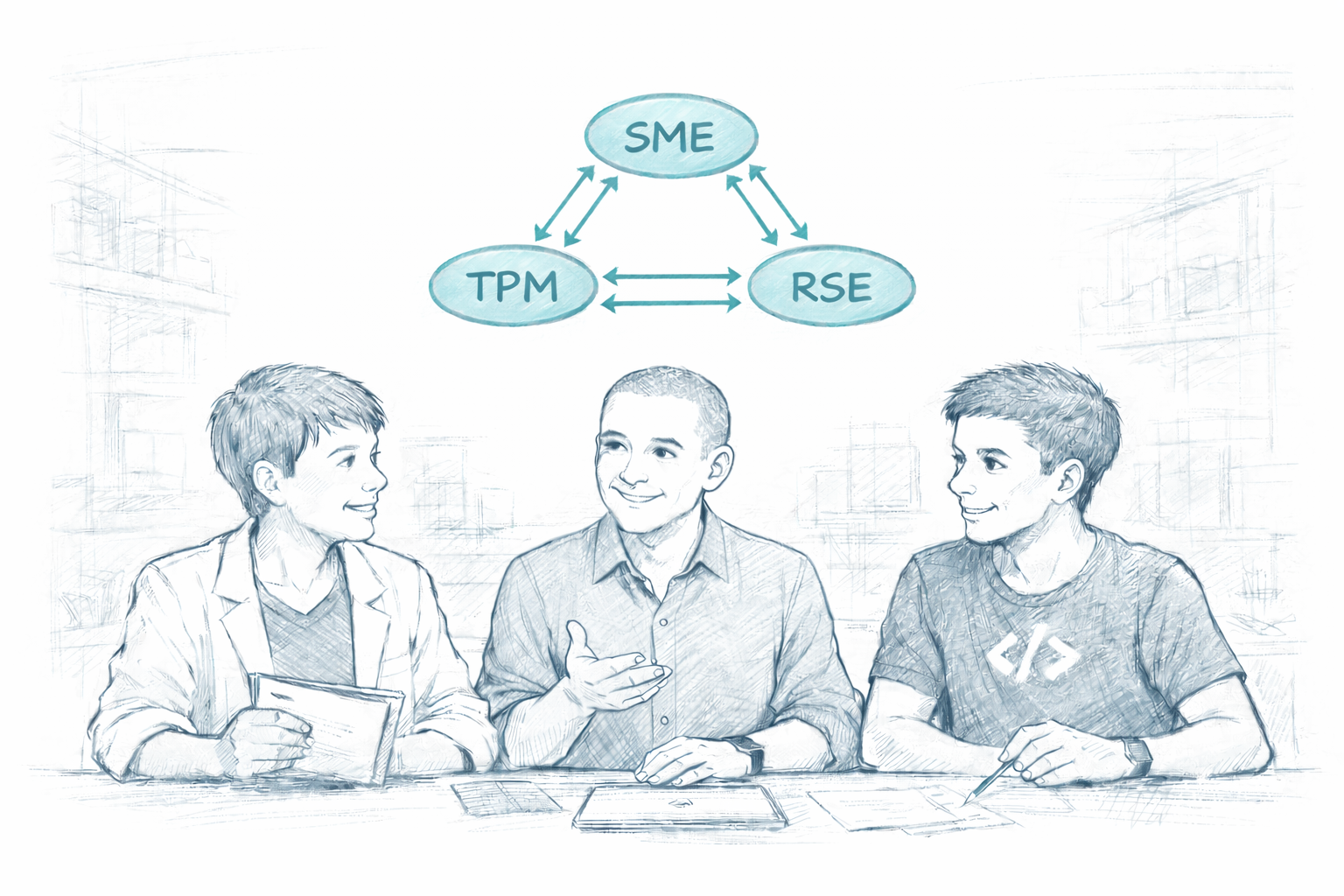
Integrated delivery units combine Research Software Engineers, Subject-Matter Experts, and Technical Program Managers to deliver robust, user-centred tools with clear governance and alignment.
Modern research is increasingly constrained not by ideas, but by the complexity of its digital systems. Large data volumes, evolving algorithms, distributed collaboration environments, and expanding computational platforms all demand a more professional and scalable approach to organising the digital research workforce.
Through my work with Astronomy Data and Computing Services (ADACS), I developed and now lead a cross-functional model for professional research software delivery that addresses this challenge directly.
This model recognises that research software is not simply code — it is coordinated digital capability. When organised professionally, it delivers:
In this framework, research software capability becomes more than project support. It becomes structured digital infrastructure — scalable, governable, and strategically deployable.
Integrated delivery units combine Research Software Engineers, Subject-Matter Experts, and Technical Program Managers to deliver robust, user-centred tools with clear governance and alignment.
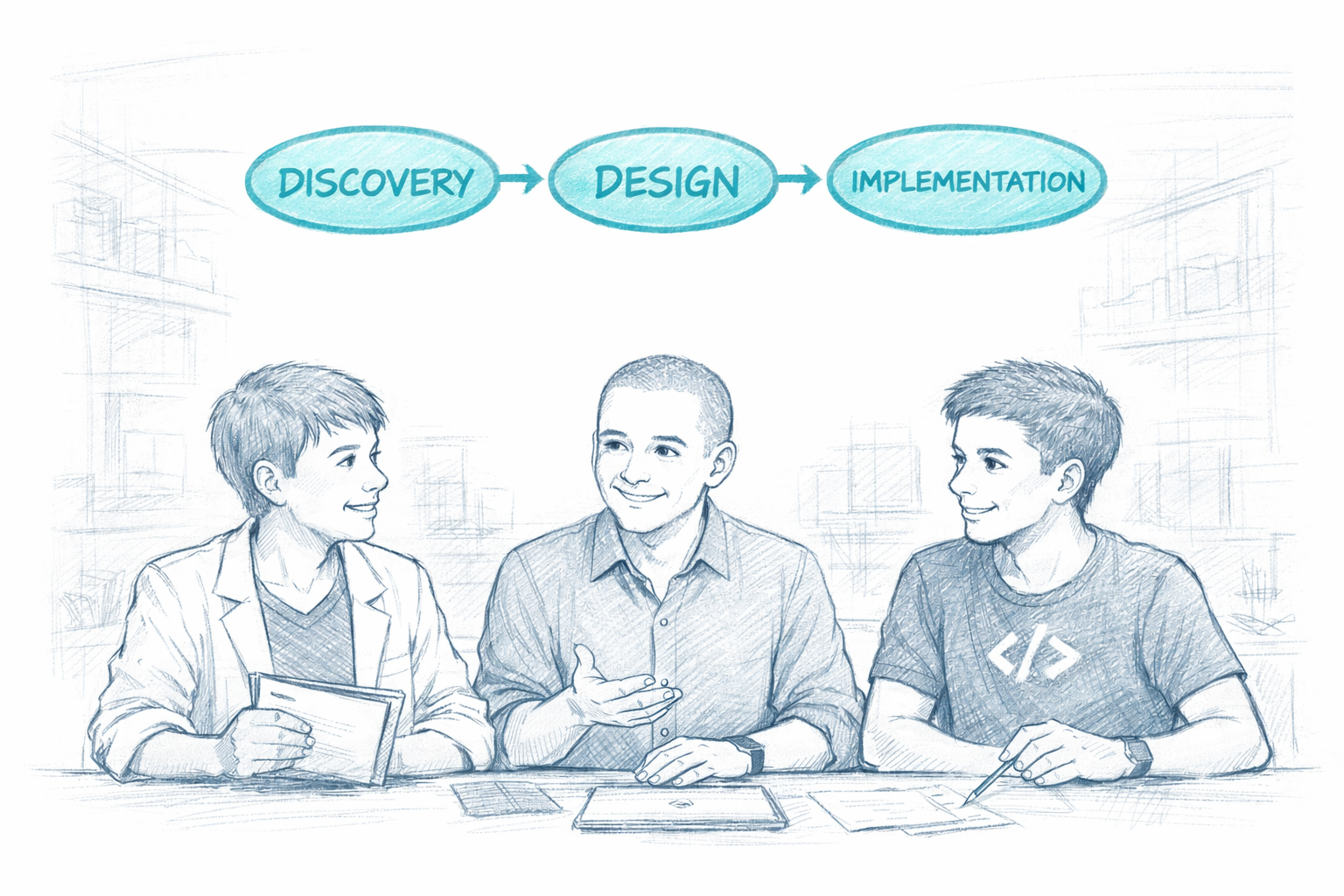
Balanced investment across discovery, design, and implementation reduces wasted effort and ensures that solutions meet real research needs.

Training is embedded directly alongside delivery and complemented by targeted, merit-based opportunities to build long-term community capability.
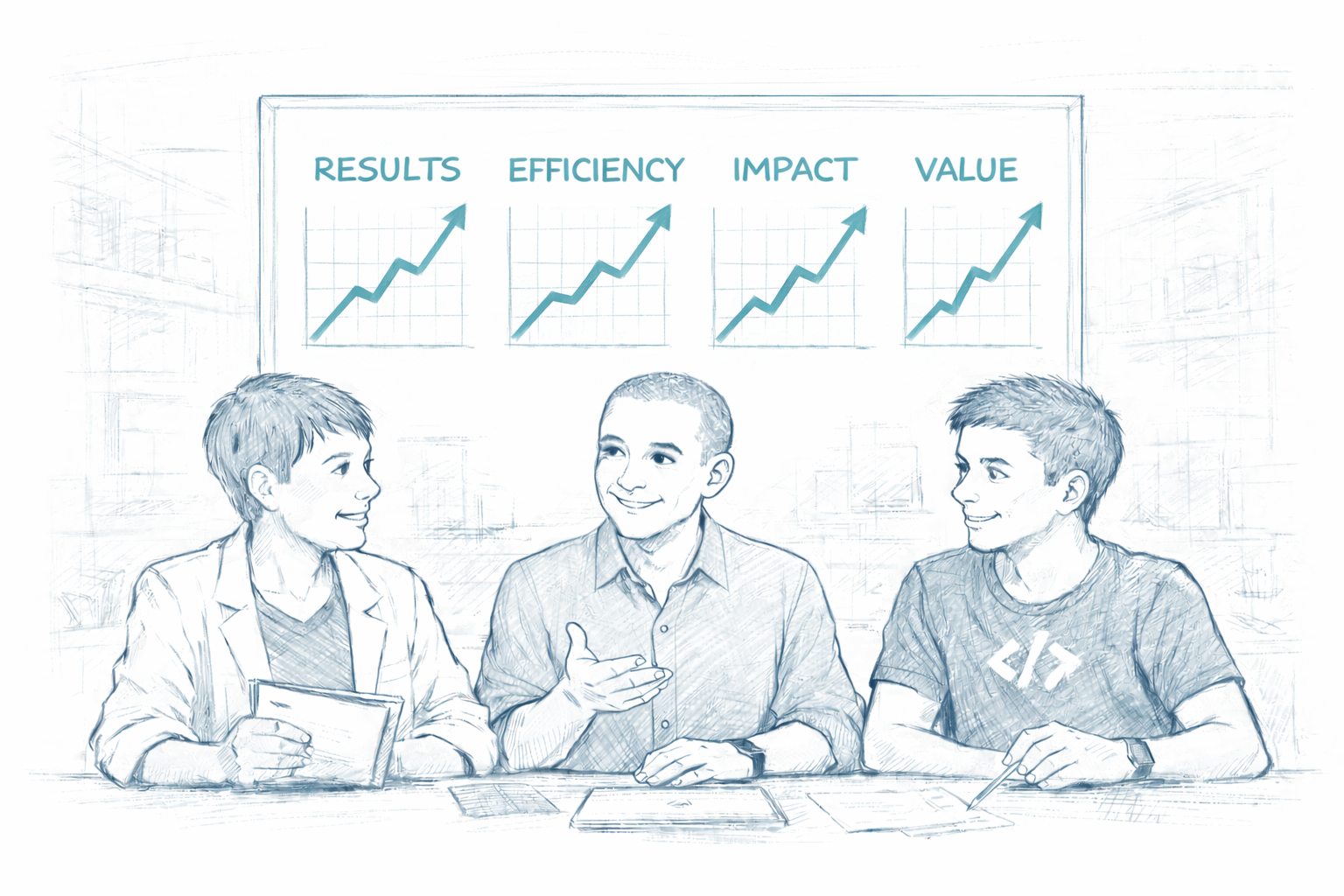
Professional coordination creates economies of scope and scale, strengthens translation pathways, and builds nationally coordinated digital capability with enduring strategic value.